
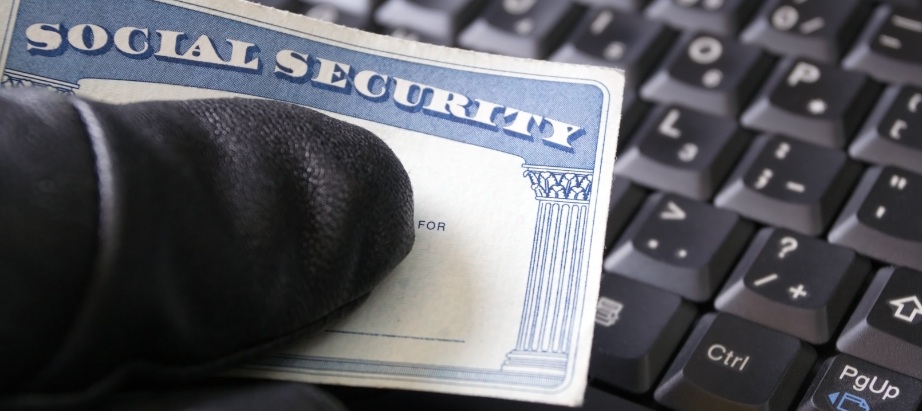
How ID's are Stolen?
-
Dumpster Diving: Rummaging through garbage to find improperly disposed personal information.
-
Skimming: Unauthorized devices are placed on ATMs, gas pumps, or POS terminals to extract debit/credit card information.
-
Phishing/Vishing/Smishing: This is the use of email, text or phone calls that will trick a person into revealing personal information.
-
Address Changes: Scammer's will divert billing statements to another location by completing a change of address form.
-
Old-Fashioned Stealing: Stealing of wallets and purses; mail, including bank and credit card statements; preapproved credit offers; and new checks or tax information.
-
Pretexting: Impersonating a well known person or company such as your financial institution, utility company, friend or family member.
Steps & Resources for ID Theft Victims
- Notify your bank and credit card companies along with those where the unauthorized accounts were opened.
- File a report with the Federal Trade Commission.
-
Contact all 3 major credit bureaus: Equifax, TransUnion & Experian to check your credit report, place a fraud alert and freeze.
Equifax 1-800-685-1111
Experian 1-888-397-3742
TransUnion 1-888-909-8872
- File a police report.
- Change your passwords and PINs.
- Monitor your mail for items that do not belong to you.
Ways to Protect Against ID Theft
- Never share your personal or banking information unless you are absolutely certain you know the person/company and what they are using it for.
- Be mindful of your surroundings when giving out or entering in personal or banking information.
- Never store your login/password/PINs or Social Security card in your purse or wallet.
- Remove credit/debit cards from your purse/wallet that are not frequently used.
- Be cautious of clicking links sent in emails or text messages.
- Protect your Social Media accounts by checking your privacy settings and only connect with those you actually know.
- Never share any information on Social Media that could be used to answer security questions or help steal your identity.
- Frequently change your password and set up multi-factor authentication when offered.
- Sign up for paperless statements for less printed personal information. Click here to learn how to enroll in PCB eStatements.,
- If you choose to receive physical statements from any company make sure to store securely or properly destroy.
Financial Elder Abuse Protection Tips
- Do not give out your Social Security Number to those over the phone.
- Avoid carrying your Social Security card in your purse or wallet.
- Refrain from putting your Driver's License number or Social Security Number on checks.
- Be cautious of telephone calls or those who try to pressure you into quick decision making.
- Be suspicious of anyone that knocks on your door that is offering you home repairs. It is always best to check out anyone with the local Better Business Bureau.
- Thoroughly check references for in-home caregivers or those providing a service.
- Always keep your personal and financial documents locked away, along with your checks, credit and debit cards.
Steps & Resources for Financial Elder Abuse
- File a police report.
- Contact your financial institutions.
- Contact the National Elder Fraud Hotline : Call 1-833-FRAUD-11 (1-833-372-8311) for support.
- File a report with a local office via the National Adult Protective Services Association website.